Cholesterol Home Test: What Your Result Means

What a home cholesterol test measures, the NHS healthy ranges, what can affect your result and when to speak to your GP.
What a home cholesterol test measures, the NHS healthy ranges, what can affect your result and when to speak to your GP.

A home menopause test measures FSH. Here’s what a result can and can’t tell you, and when your GP is the better first step.

An HbA1c test measures your average blood sugar over roughly the past three months. What it can and can’t tell you, and when to speak to your GP.

Missed occupational health appointments cost time and output. Match checks to each role, give clear instructions and automate recalls.

Stop booking occupational health appointments ‘just in case’. Map each role to its real health surveillance needs to cut costs and admin.
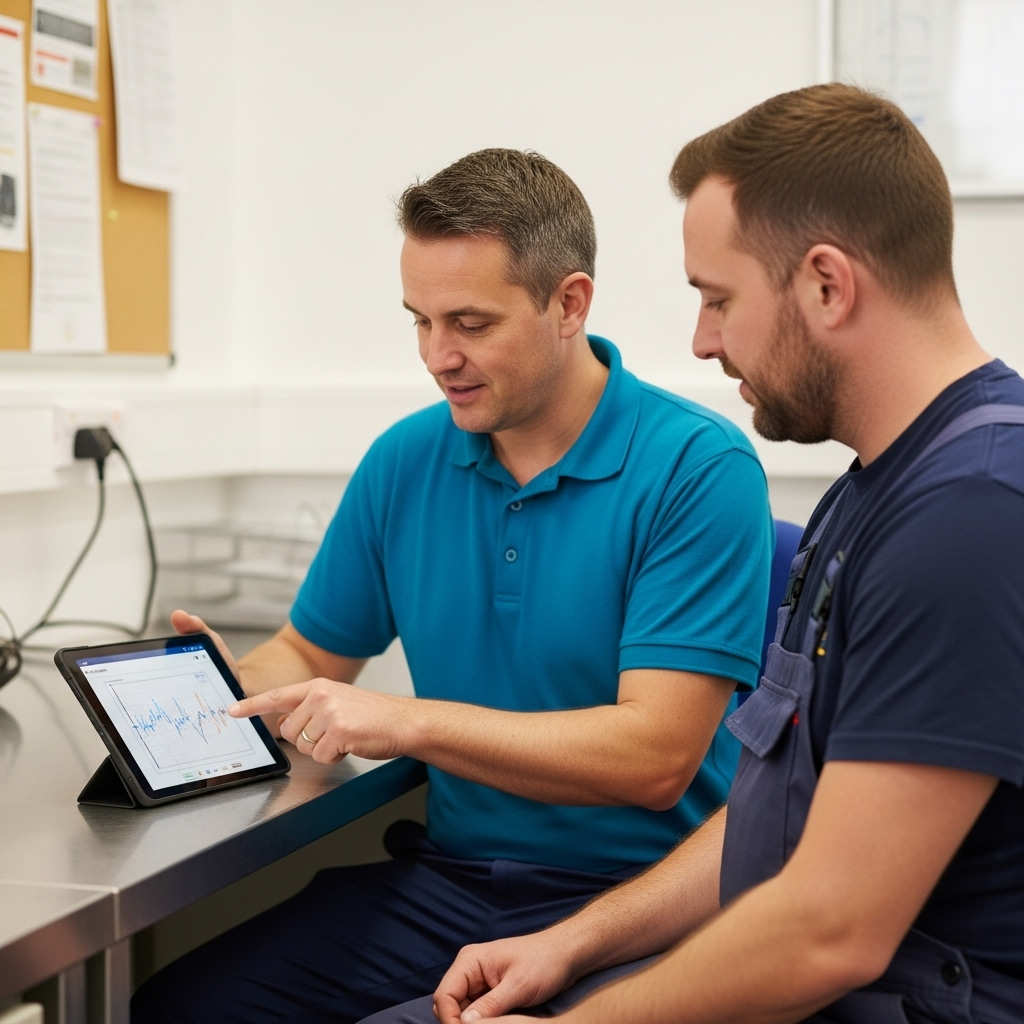
Automated occupational health system streamlines admin with clinician-led decisions, live compliance dashboards, same-day reporting, digital questionnaires, and nationwide on-site/mobile clinics for efficient, audit-ready management.
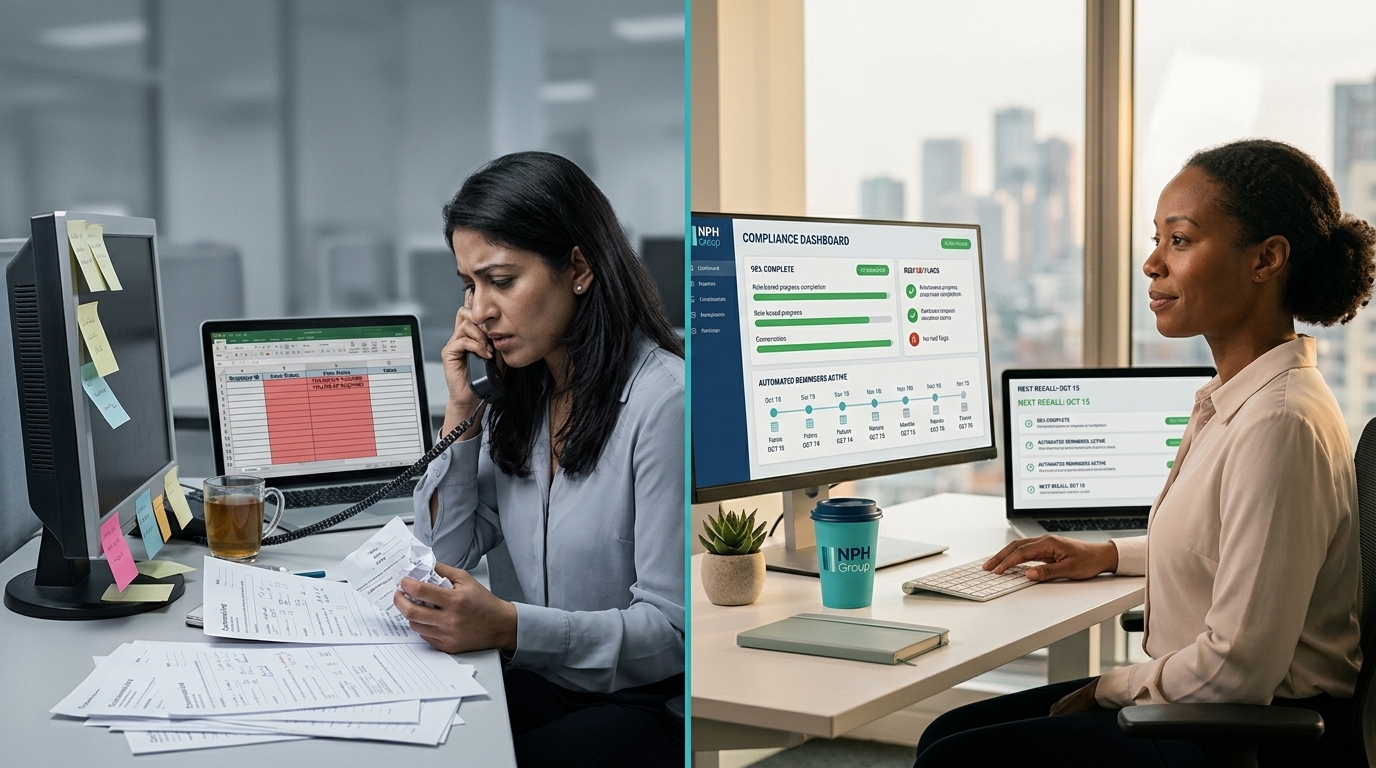
Occupational health automation streamlines HR compliance by reducing manual tasks like chasing paperwork and appointments. Tools like RoleReady, ClearPath, and HealthTrack enable faster compliance, real-time oversight, and improved efficiency.
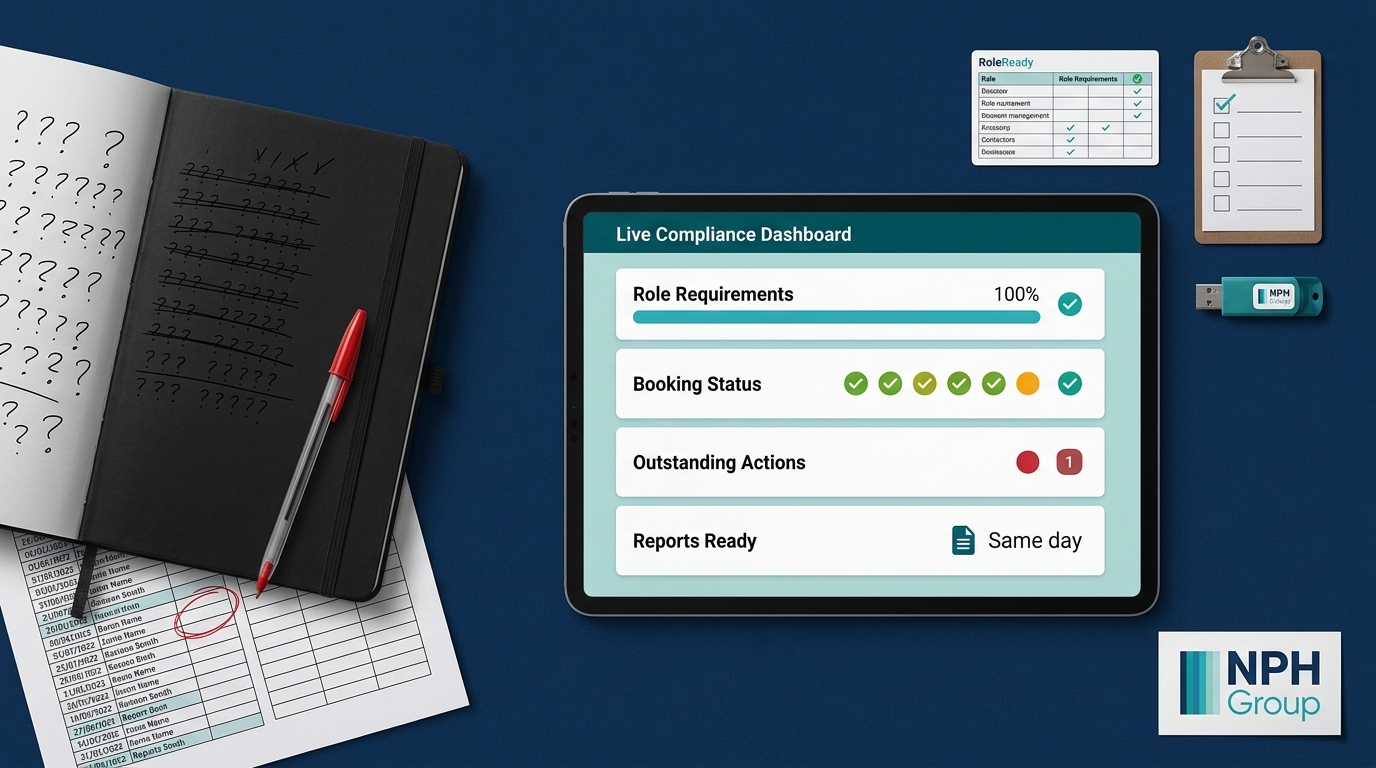
A live occupational health compliance dashboard should provide real-time, role-based views of completed and pending tasks, automate recalls, enable same-day reporting, ensure HSE compliance, and offer multi-site visibility for efficient, audit-ready management.
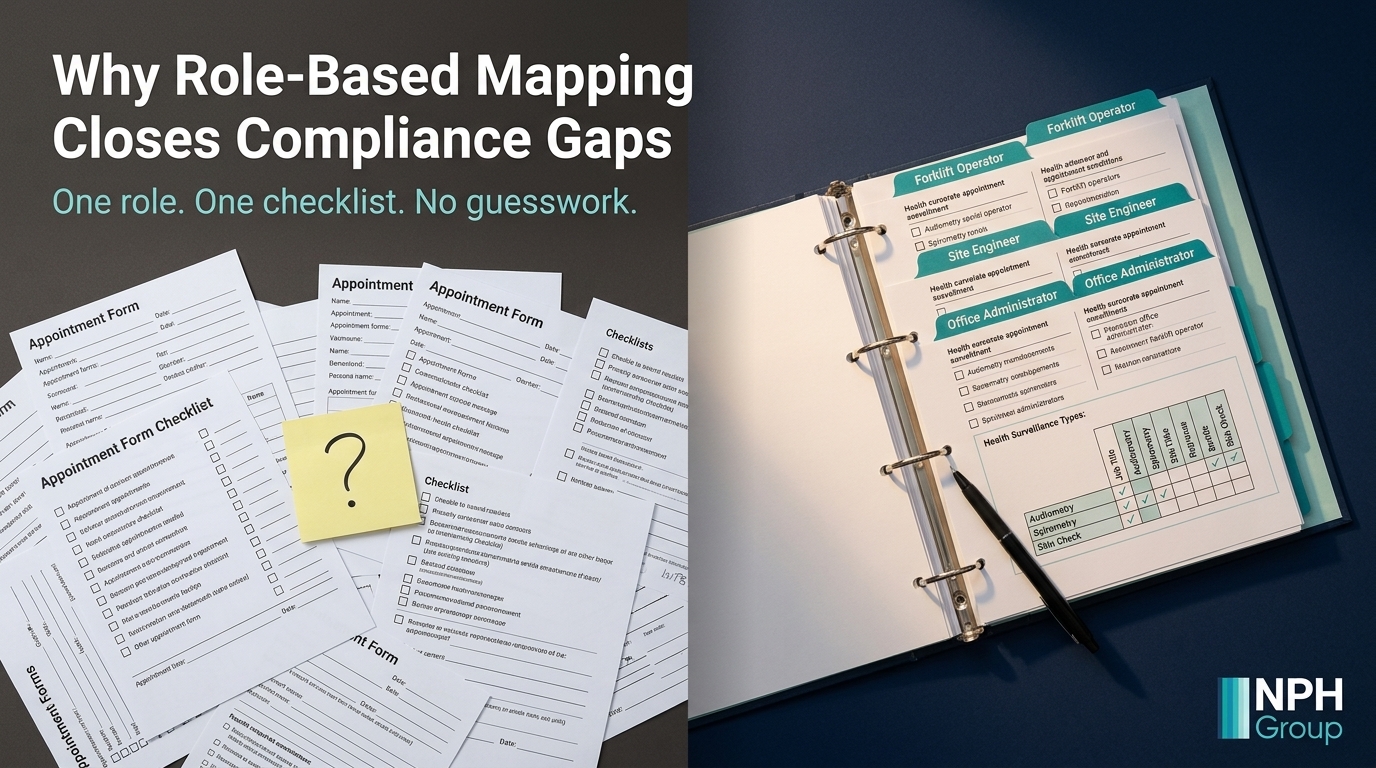
Role-based occupational health mapping tailors health checks to specific job risks, reducing unnecessary tests, closing compliance gaps, streamlining appointments, and ensuring audit readiness with automated tools.
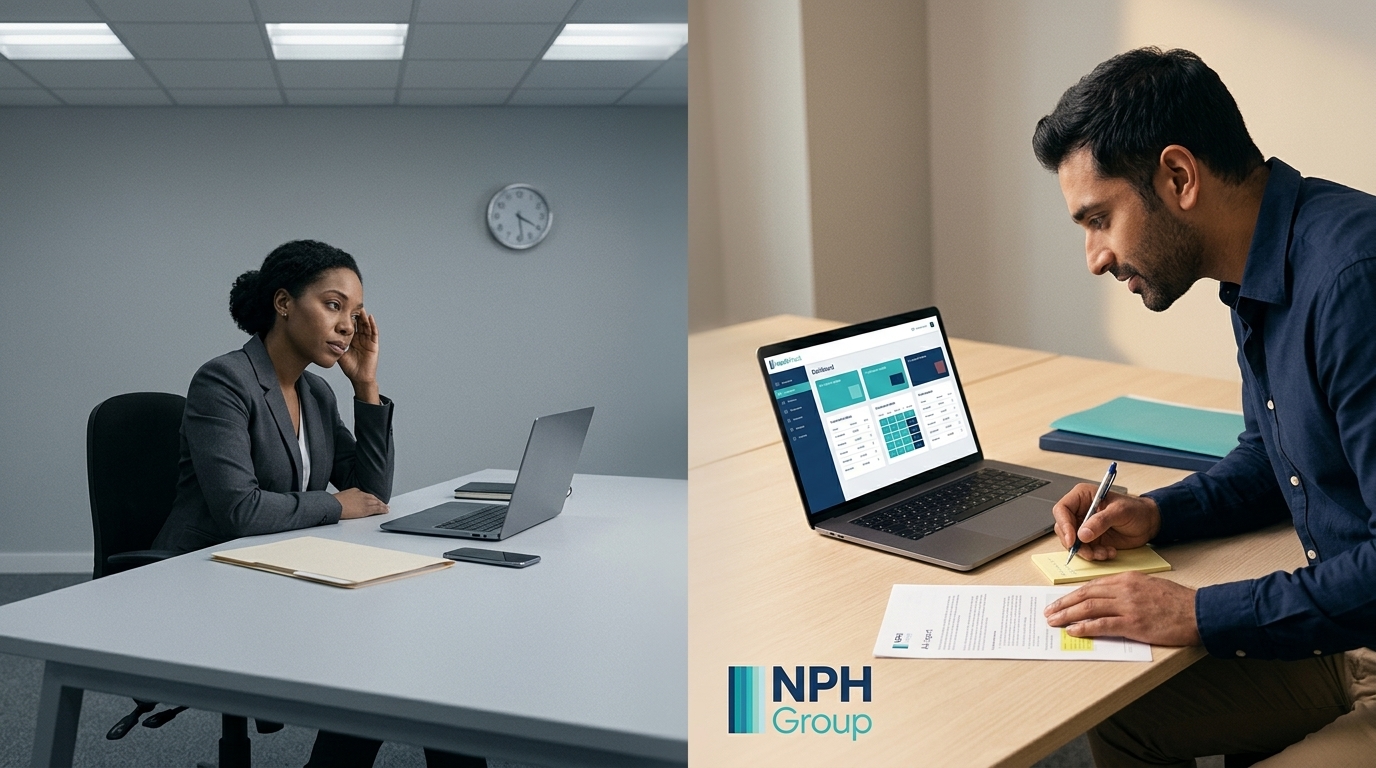
Same-day occupational health reporting enables HR and managers to make timely, informed decisions, reducing delays, administrative burdens, and compliance risks while improving safety and operational efficiency.