Missed occupational health appointments cause more disruption than most people realise. When employees get unclear instructions or face checks that don’t fit their job, schedules slip and work stalls. Then HR teams scramble to fix it. Role-based planning changes that. It matches each job to exactly what it needs, so you cut missed bookings and reduce downtime. As a result, you can keep people working without the usual admin headaches. It also stops you booking checks nobody needs, as we explain in how to cut unnecessary occupational health appointments. For the legal background, see the HSE health surveillance guidance.
Why Missed Occupational Health Appointments Happen
A smooth occupational health process starts with fixing what goes wrong today. Many businesses deal with missed appointments and wasted effort. So here’s how role-based planning helps.
Traditional Planning and Missed Occupational Health Appointments
Traditional planning often causes confusion. For example, employees receive unclear instructions and then miss their appointments. Meanwhile, you chase paperwork, only to find the checks don’t match the job. This wastes time and disrupts operations. HR teams then scramble to rebook and stay compliant. Without a targeted approach, missed occupational health appointments and downtime keep coming back.
Benefits: Fewer Missed Occupational Health Appointments
Role-based planning tailors checks to each job. So every employee has only the assessments they need, and you avoid unnecessary appointments. When checks match the job, your team spends less time in appointments and more time working. It also cuts admin, because you’re no longer stuck rebooking and following up. Instead, you can focus on the HR work that matters.
Impact on Workforce Wellbeing
Better planning also improves wellbeing. Employees feel valued when you handle their health needs properly, which lifts morale. With fewer disruptions, work runs smoothly and people stay engaged. In turn, a focused health strategy supports compliance and builds a healthier, more motivated workforce. Over time, that can reduce absence and lift productivity.
RoleReady: Tailored Compliance Needs
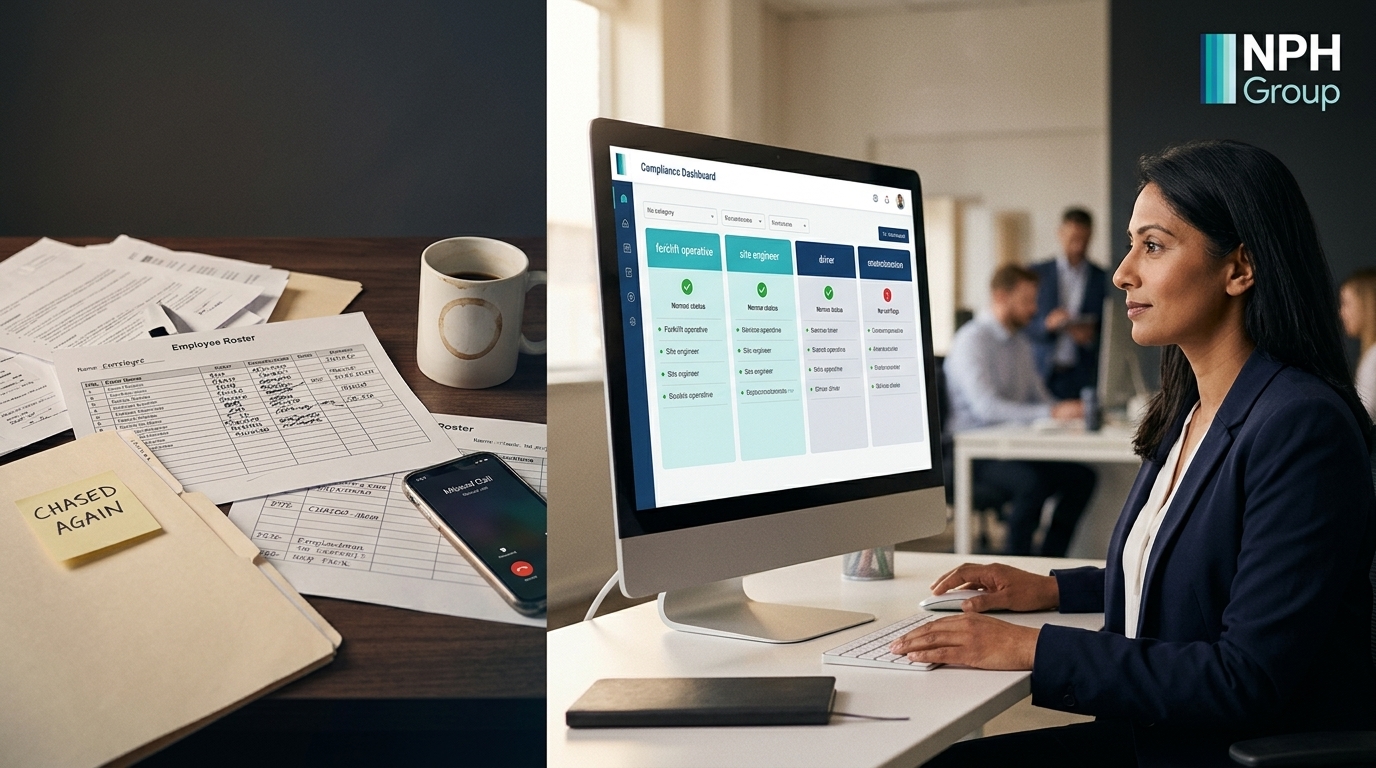
RoleReady maps each job to its specific compliance needs. That way, only relevant health checks take place, which saves time and money.
How Role Mapping Reduces Missed Occupational Health Appointments
Role mapping tackles the root causes of missed occupational health appointments. First, it defines what each role requires. Then employees get clear instructions on the checks they need, so there’s less confusion. As a result, fewer people miss appointments and downtime drops. Schedules run more smoothly, and HR teams spend less time rebooking. Overall, both employees and employers benefit.
RoleReady’s Key Features and Benefits
RoleReady has several features that make compliance easier. It maps the health requirements for each role in detail, so you meet every need without unnecessary checks. It also offers automated recalls and self-booking. Because employees can book times that suit their shifts, there’s less disruption. Finally, the live compliance dashboard shows you where things stand in real time.
Practical Steps to Implement Role Mapping
Getting started with role mapping is simple. First, list the health requirements for each role in your organisation. Next, use RoleReady to map checks to those requirements. Then train your HR team to get the most from the platform. After that, encourage employees to use self-booking so they attend the checks they need. Finally, review your mappings regularly as roles and risks change.
ClearPath and HealthTrack: Enhancing Efficiency
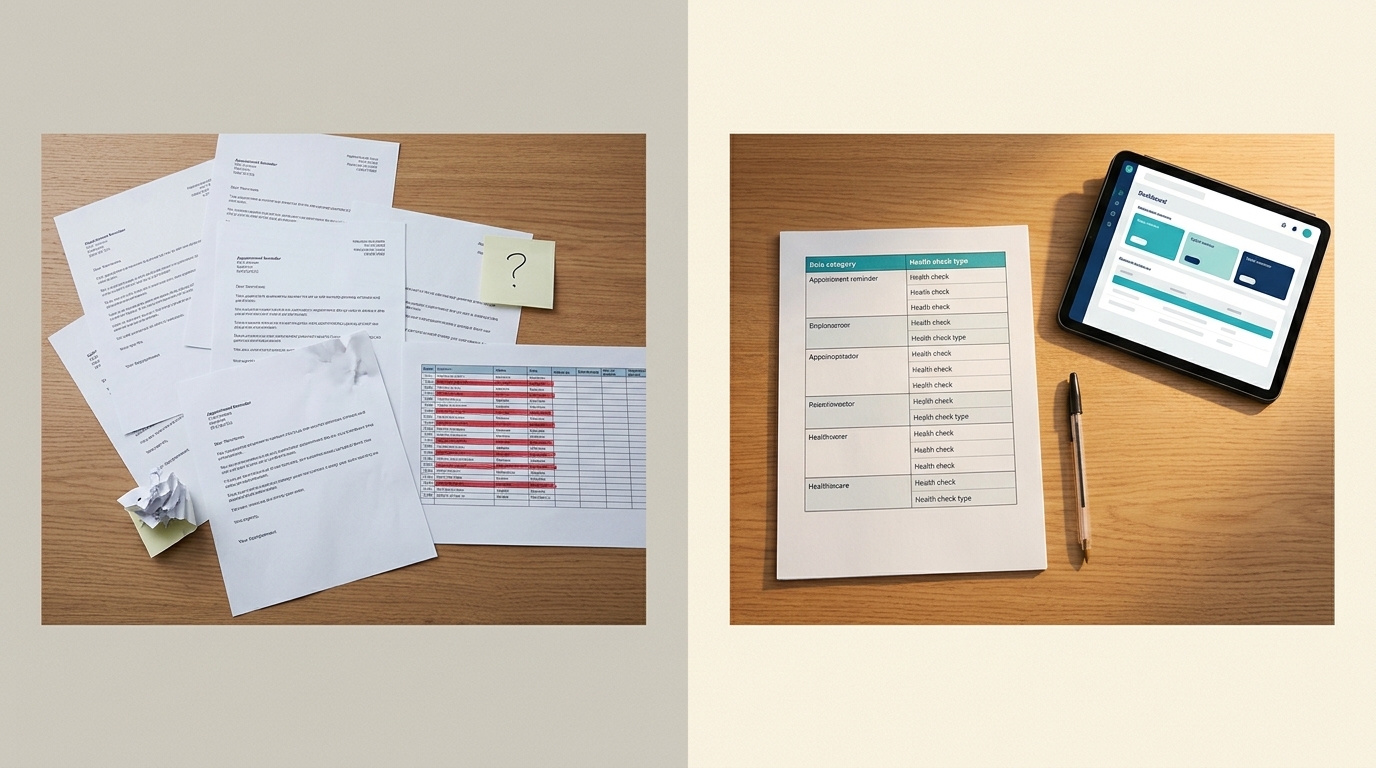
ClearPath and HealthTrack go further, with digital onboarding and automated recalls. Together, they keep things running smoothly and help you stay compliant.
Automated Recalls to Stop Missed Occupational Health Appointments
Digital onboarding makes the first step easy. ClearPath sends employees a magic link that guides them through the questionnaires they need, so they finish faster and with fewer errors. After that, HealthTrack takes over with automated recalls, which helps prevent missed occupational health appointments. This saves HR teams hours of reminders and follow-ups. Instead, they can focus on bigger priorities.
Self-Booking to Prevent Missed Occupational Health Appointments
Scheduling doesn’t need to be a headache. With HealthTrack, employees book their own appointments at times that suit them. This flexibility improves attendance, so you see fewer missed occupational health appointments. Automated reminders also prompt people to turn up, which keeps you compliant. With less admin, HR teams can use their time better.
Achieving HSE Compliance with Confidence
ClearPath and HealthTrack give you a reliable route to HSE compliance. Automated recalls and the live compliance dashboard help you complete every check on time and record it accurately. Because you can see your compliance status in real time, you have more confidence. And with audit-ready records, you can respond quickly to any regulatory enquiry.
Frequently Asked Questions
What causes missed occupational health appointments?
The most common causes are unclear instructions, checks that don’t fit the job, and appointment times that clash with shifts. Role-based planning, self-booking and automated reminders tackle all three.
What is role-based occupational health?
Role-based occupational health tailors health checks to each job. As a result, employees have only the assessments they need, which reduces missed appointments and downtime.
How does RoleReady improve occupational health planning?
RoleReady maps each job role to its exact compliance requirements. This removes unnecessary checks, makes scheduling more efficient and cuts admin.
What are the benefits of digital onboarding with ClearPath?
ClearPath moves onboarding online, so employees finish faster and make fewer errors. HealthTrack’s automated recalls then help make sure nobody misses an appointment.
How do automated recalls work?
Automated recalls remind employees about upcoming health appointments. They help you stay compliant, because fewer people miss appointments and every required check gets done.
Why is a live compliance dashboard important?
A live compliance dashboard shows your workforce’s compliance status in real time. That visibility helps you complete checks on time and keep a strong compliance record.