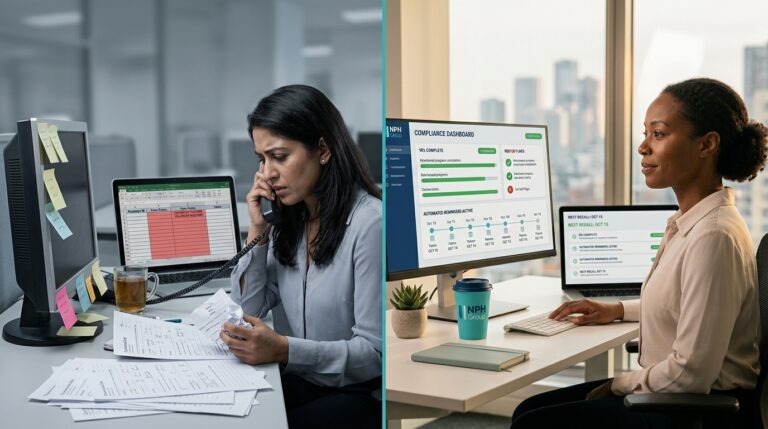
Managing six occupational health pillars often feels like juggling six separate tasks, each pulling your attention in different directions. Chasing paperwork, rebooking missed appointments, and waiting for updates drains your time and patience. Imagine instead a connected, clinician-led occupational health provider UK system where booking, questionnaires, recalls, and compliance checks flow quietly in the background, giving you clearer control, less admin, and faster decisions you can trust.
Streamlining Six Pillars
In today’s fast-paced work environments, managing multiple aspects of occupational health can feel overwhelming. Let’s explore how a unified system can ease this burden.
Overwhelmed by Coordination?
Managing occupational health often feels like a never-ending cycle of coordinating appointments, following up on reports, and ensuring compliance. It’s easy to feel overwhelmed when you’re juggling six different pillars: health surveillance, employment medicals, absence management, health screening, health promotion, and drug and alcohol testing. Each pillar demands attention, creating a tangled web of tasks that can stretch your resources thin. Imagine instead a scenario where all these elements are seamlessly integrated into one cohesive system, allowing you to focus on what truly matters without getting bogged down by administrative tasks.
A Unified Approach to Health
What if you could manage all your occupational health needs through a single, integrated system? This approach not only simplifies the process but also ensures that nothing slips through the cracks. By unifying these pillars, you gain a comprehensive view of your workforce’s health, making it easier to address any issues that arise. This system offers clear benefits: reduced admin work, faster decision-making, and enhanced compliance. With all components working together, you can rest assured knowing that your occupational health program is both efficient and effective.
Role of Clinician-Led Systems
Central to this unified approach is the clinician-led system, which brings expertise and precision to every decision. Clinicians ensure that health assessments are both accurate and relevant, tailored to each employee’s specific role. This means less guesswork and more actionable insights. By leveraging their expertise, you can trust that the health decisions being made are in the best interest of your workforce. This clinician-led model also frees up your time, allowing you to focus on strategic initiatives rather than getting caught up in the minutiae of health management.
Operational Flow Advantages

Once occupational health tasks are integrated into a single system, the operational advantages become clear. Here’s how this streamlined approach can transform daily operations.
Reducing Day-to-Day Admin
Imagine a workplace where your team no longer spends hours chasing down paperwork or rescheduling missed appointments. By implementing a unified system, day-to-day administrative tasks are significantly reduced. This system automates reminders, bookings, and follow-ups, allowing you to focus on more strategic tasks. With less time spent on admin, you can dedicate more energy to creating a healthier, more productive work environment. This reduction in admin not only saves time but also reduces stress, allowing your team to operate more efficiently.
Enhancing Decision-Making Speed
When you have all the information you need at your fingertips, making quick, informed decisions becomes second nature. A clinician-led system ensures that you receive clear, actionable reports, often on the same day. This means you can address issues promptly, without waiting weeks for results. Faster decision-making leads to quicker interventions, keeping your workforce healthier and more productive. By cutting down on delays and uncertainties, you can make decisions with confidence, knowing that you’re always acting on the latest information.
Maintaining HSE Compliance
Staying compliant with HSE regulations is a top priority for any organisation. A unified occupational health system helps you maintain compliance effortlessly. With automated recalls and compliance checks, you can ensure that all necessary assessments are completed on time. Plus, the live compliance dashboard keeps you informed of your current status, highlighting any gaps that need attention. This proactive approach not only keeps you compliant but also reduces the risk of costly penalties or disruptions. By maintaining compliance, you protect both your workforce and your organisation’s reputation.
Real-World System Benefits

A connected occupational health system offers tangible benefits in the real world. Let’s explore how specific tools enhance your program.
RoleReady and Precision Requirements
RoleReady ensures that each employee receives the specific health assessments and screenings they need based on their role. This targeted approach prevents unnecessary testing and ensures that potential health risks are identified early. By mapping roles to health requirements, you can avoid compliance gaps and streamline the assessment process. This precision not only saves time but also enhances the overall effectiveness of your occupational health program. With RoleReady, you can be confident that every employee is receiving the care they need without the added admin burden.
ClearPath and Digital Integration
ClearPath revolutionises the way digital questionnaires are handled by using a simple “magic link” system. Employees can complete their health assessments online, reducing the risk of incomplete forms or lost paperwork. This digital integration streamlines the entire process, from onboarding to ongoing health checks. By making it easy for employees to access and complete their assessments, you improve compliance rates and reduce admin workload. With ClearPath, you gain a more efficient, user-friendly approach to managing occupational health data.
HealthTrack and Live Dashboards
HealthTrack takes the guesswork out of managing bookings and recalls. This system automates the entire process, ensuring that appointments are scheduled and reminders are sent without manual intervention. The live compliance dashboard provides real-time visibility into your program’s status, highlighting any areas that need attention. This transparency allows you to act quickly and keep your occupational health program on track. By using HealthTrack, you gain a powerful tool that enhances both operational efficiency and compliance control.
Frequently Asked Questions
What are the six pillars of occupational health?
The six pillars include health surveillance, employment medicals, absence management, health screening, health promotion, and drug and alcohol testing. These components work together to ensure comprehensive workforce health and safety.
How does a clinician-led system benefit occupational health management?
A clinician-led system provides expert oversight, ensuring that health assessments are accurate and relevant. Clinicians make informed decisions based on each employee’s role, improving the quality and effectiveness of your health program.
Why is digital integration important in occupational health?
Digital integration streamlines processes, reduces admin workload, and improves compliance rates. By using digital tools like ClearPath, you can manage health data more efficiently and ensure that all necessary assessments are completed on time.
What is the role of automated systems in occupational health?
Automated systems like HealthTrack manage bookings, recalls, and compliance checks without manual intervention. This reduces admin tasks, enhances efficiency, and provides real-time visibility into your program’s status.
How can I ensure compliance with HSE regulations?
Using a unified occupational health system helps maintain HSE compliance through automated recalls, live dashboards, and targeted health assessments. This proactive approach keeps your organisation compliant and reduces the risk of penalties.
Follow us to meet the team behind workplace wellbeing and join our community.