
Many businesses face unexpected hurdles during HSE health surveillance audits that put compliance and workforce wellbeing at risk. Missing key elements in your health surveillance audit can lead to costly delays and increased pressure on your team. This checklist will help you spot common pitfalls and keep your occupational health compliance on track, so you can focus on protecting your people and your business. For more insights, you can visit this link.
Navigating HSE Health Surveillance

Understanding Compliance Essentials
Diving into health surveillance audits can feel daunting. Understanding the basics of compliance is your starting point to ensure everything runs smoothly. When you know what’s required, you can plan with confidence.
Common Pitfalls in Health Audits
Mistakes during health audits are more common than you might think. Many businesses overlook crucial details, leading to compliance issues. For instance, forgetting to update risk assessments can cause significant setbacks. Regularly review your procedures to avoid these errors. It’s vital to check if all your documentation is up-to-date and accessible. Ensure you have all necessary records ready: this can save time and stress during audits. For more information, you might find this guide helpful.
Preparing for an HSE Audit
Preparation is key to a successful audit. Start by assembling all relevant documents and checklists. Organise your team to ensure everyone knows their roles and responsibilities. Regular training sessions can help your team stay alert and ready. Consider conducting mock audits to identify and resolve any potential issues beforehand. Being prepared not only boosts your confidence but also streamlines the entire process.
Key Components of Effective Health Surveillance
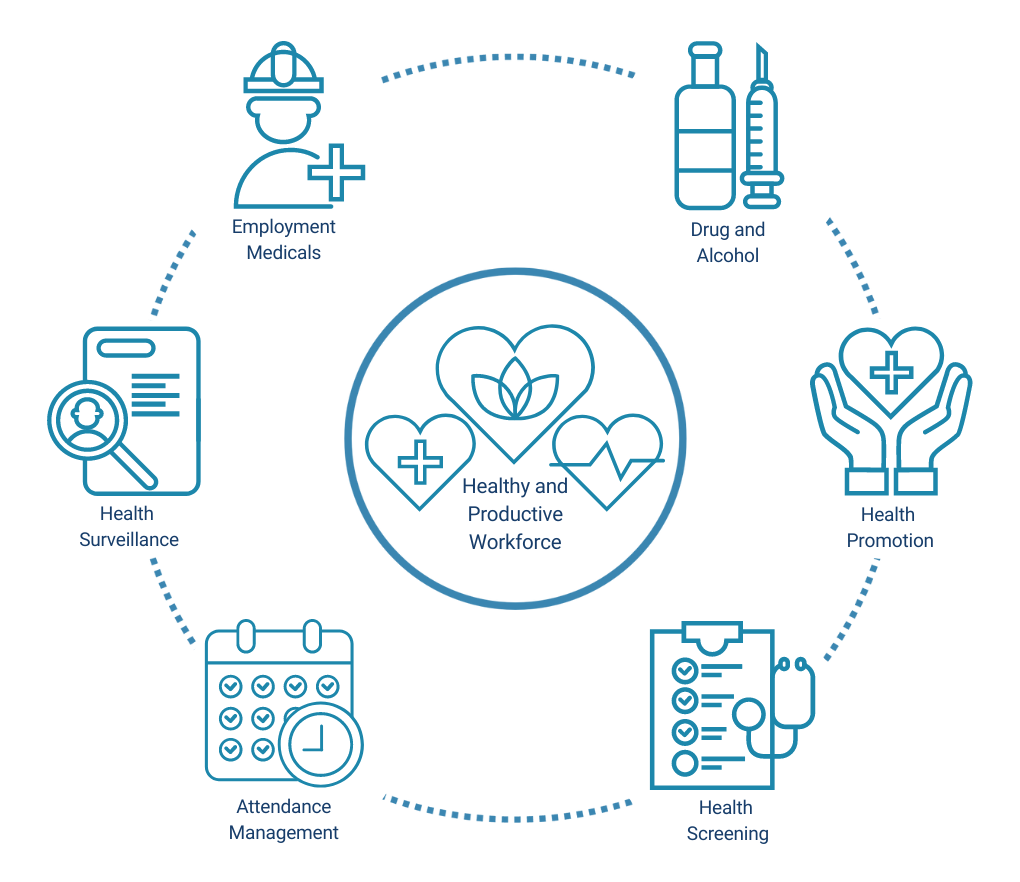
Importance of Risk Assessment
Risk assessments form the backbone of effective health surveillance. They help identify potential hazards that could impact your workforce. By conducting thorough assessments, you ensure that all risks are known and can be managed effectively. Regular updates to these assessments are crucial as conditions in the workplace evolve. This proactive approach not only maintains compliance but also protects your employees’ wellbeing.
Comprehensive Audiometry Testing
Hearing loss in the workplace is a significant concern. Audiometry testing ensures your team’s hearing is protected, especially in noisy environments. Regular testing allows for early detection of issues, enabling timely intervention. This proactive measure can prevent long-term hearing damage and maintain productivity. Moreover, it demonstrates your commitment to employee health and safety. Remember, good hearing health is vital for a productive workforce.
Implementing Respiratory and Skin Surveillance
Respiratory and skin health are often overlooked but essential. Regular surveillance helps spot early signs of occupational illnesses, allowing for quick action. Providing protective equipment and training on its use is crucial in managing these risks. Furthermore, maintaining a clean work environment reduces exposure to harmful substances. Investing in your team’s respiratory and skin health not only prevents illness but also fosters a culture of care and responsibility.
Strategies for Audit Success

Maintaining Auditable OH Records
Keeping detailed occupational health records is non-negotiable. These records provide a clear audit trail and demonstrate compliance. Ensure that all entries are accurate and promptly updated. Regular audits of your records can catch discrepancies early. This practice not only prepares you for official audits but also aids in tracking health trends within your workforce. Accurate records are a testament to your commitment to transparency and care.
Enhancing COSHH Health Surveillance
Effective COSHH health surveillance is crucial for managing hazardous substances. It involves regular monitoring and assessment to ensure safety measures are effective. Providing regular training on the safe handling of chemicals can mitigate risks. Additionally, involving employees in safety discussions fosters a proactive safety culture. Implementing these practices ensures compliance and safeguards your team. For further guidance, this resource offers valuable insights.
Effective Absence Management Practices
Absenteeism can disrupt productivity and morale. Effective absence management practices help in identifying patterns and addressing underlying issues. Implementing a supportive return-to-work program can ease employees back into their roles. Moreover, maintaining open communication with your team encourages transparency and trust. By managing absences effectively, you ensure a happier, more productive workplace. Remember, your approach to absence management reflects your commitment to employee wellbeing.
By following these guidelines, you can navigate the complexities of health surveillance audits with confidence. Staying informed and proactive ensures compliance and protects your most valuable asset: your people.