
Summary
Falling from heights is a significant danger, with over 25% of construction injuries attributed to falls. Regularly inspecting scaffolding and using safety harnesses can mitigate this. Noise-induced hearing loss is another common issue. Using ear protection and conducting regular sound level checks can help preserve hearing.
Construction and manufacturing sites carry hidden health risks that quietly chip away at productivity and safety. Ignoring occupational health can lead to costly setbacks and compliance headaches for your business. This post explains how a focused approach to health surveillance and workplace safety can protect your workforce and meet manufacturing compliance standards with confidence.
Understanding Occupational Health Risks

Understanding the potential dangers in construction and manufacturing is crucial. Protecting your team starts with recognising the risks.
Key Risks in Construction
In construction, hazards lurk around every corner. Falling from heights is a significant danger, with over 25% of construction injuries attributed to falls. Regularly inspecting scaffolding and using safety harnesses can mitigate this. Noise-induced hearing loss is another common issue. Using ear protection and conducting regular sound level checks can help preserve hearing.
Moreover, exposure to toxic substances like asbestos can lead to long-term health problems. Ensuring your workers have access to proper protective gear and training on hazardous materials is vital.
Common Hazards in Manufacturing
Manufacturing environments present their own set of challenges. Repetitive strain injuries are rampant due to the repetitive nature of tasks. Implementing ergonomic solutions, such as adjustable workstations, can reduce these injuries.
Chemical exposure is another concern. Ensuring adequate ventilation and providing personal protective equipment are crucial steps. Additionally, machinery-related accidents are prevalent. Regular maintenance and comprehensive training on machine handling can significantly cut down on incidents. For more insights, refer to this study.
Proactive Health Management Strategies
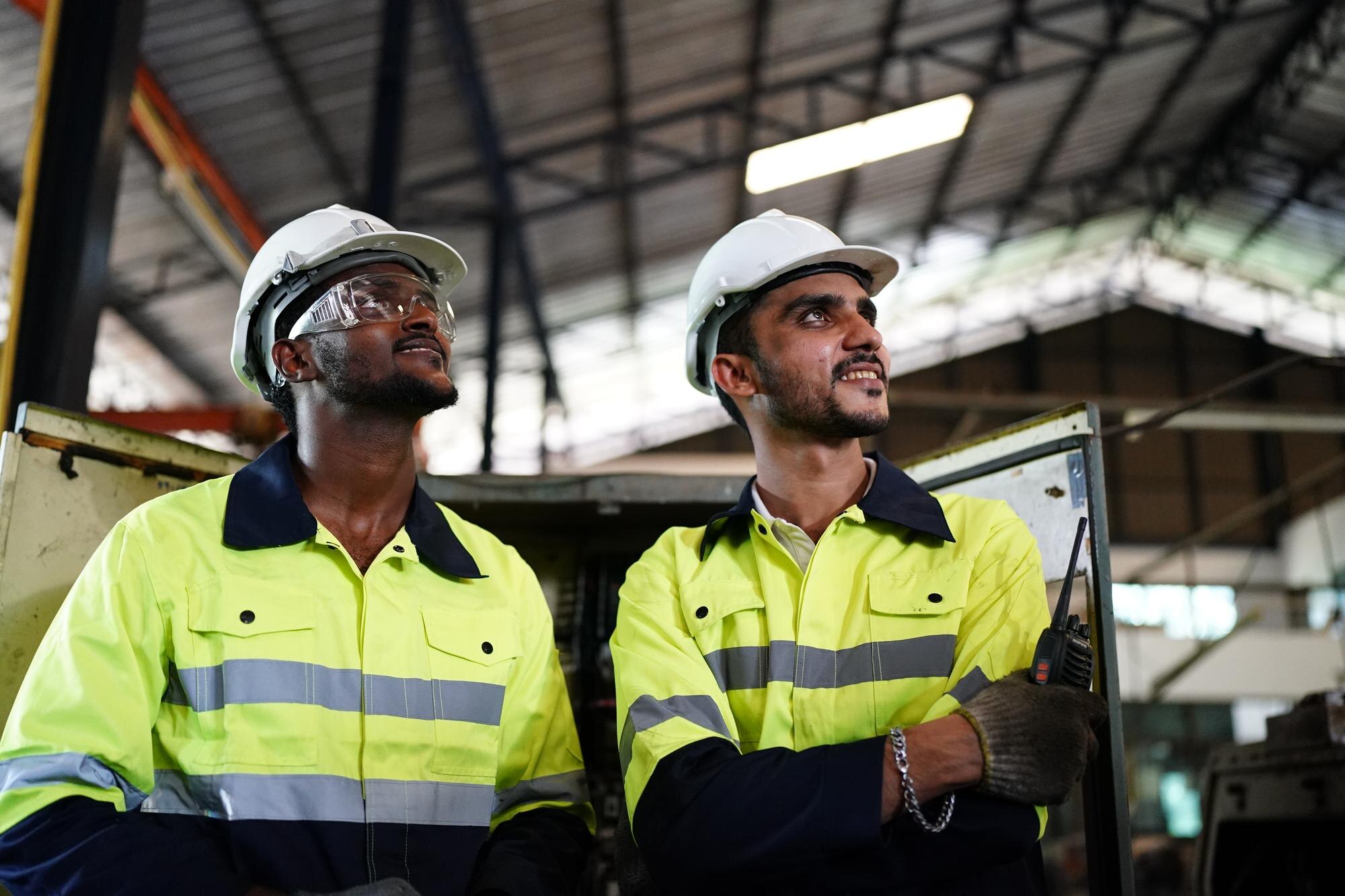
Addressing these risks proactively can prevent many accidents and illnesses. A sound strategy focuses on prevention and early detection.
Importance of Health Surveillance
Health surveillance is a proactive measure that can prevent serious health issues before they escalate. Regular check-ups help in early detection of potential health problems, reducing absenteeism and increasing productivity.
By keeping track of your employees’ health, you can identify trends and take corrective actions. For instance, regular hearing tests in noisy environments can prevent permanent damage. Health surveillance ensures compliance with safety regulations, giving you peace of mind about your workforce’s wellbeing.
Ensuring Construction Safety
Creating a safe construction site requires a multi-faceted approach. Start with clear safety protocols and ensure every worker is trained in them. Regular safety meetings can help reinforce these practices and keep safety at the forefront of workers’ minds.
Investing in safety gear and equipment is non-negotiable. Helmets, gloves, and harnesses are basic essentials. Moreover, fostering a culture that encourages reporting potential hazards can lead to quicker resolutions and prevent accidents.
Enhancing Workplace Safety and Compliance

Achieving an accident-free workplace is possible with strategic planning and commitment to compliance.
SEQOHS Accreditation Benefits
Achieving SEQOHS accreditation demonstrates your commitment to quality occupational health services. This accreditation ensures your health practices meet high standards, which can enhance your company’s reputation and employee trust.
Being accredited also means you’re likely to stay ahead of compliance requirements, avoiding costly fines. This assurance can be a significant advantage in attracting and retaining top talent, as employees value a safe working environment.
Boosting Employee Wellbeing
Employee wellbeing is directly linked to productivity. A workforce that feels safe and cared for is likely to be more engaged and efficient. Implementing wellness programmes can address common health concerns, such as stress and burnout.
Consider offering mental health support and promoting a work-life balance. Encouraging regular breaks and physical activity can also improve morale and reduce stress levels. By prioritising your employees’ wellbeing, you invest in a happier, healthier, and more productive workforce.
🌟
By understanding and addressing occupational health risks, you not only ensure compliance but also foster a safer and more productive workplace. Remember, the longer you wait to address these risks, the more you put your business and employees at risk. Make occupational health a priority today.