Summary
Why is it necessary? Health surveillance helps you comply with regulations such as the Control of Substances Hazardous to Health (COSHH). It ensures that your employees are not exposed to harmful substances like silica dust beyond safe levels. Implementing regular checks shows your commitment to safety and reduces absenteeism due to illness.
Construction and manufacturing sites face complex health challenges that can slow your team down or put you at risk of non-compliance. Knowing which occupational health checks are essential—and how to fit them around shift patterns—makes all the difference. This guide breaks down practical steps for safer, compliant teams using SEQOHS accredited programmes designed for your sector’s unique needs. For more information, you can also explore this resource.
Core Occupational Health Obligations

To foster a safe and compliant workplace, understanding key health obligations is essential. Let’s explore the importance of health surveillance and role-based medicals in your sector.
Understanding Health Surveillance Needs
Health surveillance is crucial in identifying potential risks in the workplace. It enables you to spot early signs of work-related illnesses, particularly in high-risk sectors like construction and manufacturing. For example, regular checks can detect early signs of hearing loss due to noise exposure. This proactive approach not only safeguards your team but also prevents costly legal issues.
Why is it necessary? Health surveillance helps you comply with regulations such as the Control of Substances Hazardous to Health (COSHH). It ensures that your employees are not exposed to harmful substances like silica dust beyond safe levels. Implementing regular checks shows your commitment to safety and reduces absenteeism due to illness.
Role-Based Medicals Explained
Role-based medicals ensure that employees are fit for their specific job functions. These medicals are tailored to the unique demands of different roles within your organisation. For instance, safety-critical medicals are essential for roles where health conditions could pose risks to others, such as operating heavy machinery.
The benefits include:
-
Targeted assessments: Focus on specific health risks associated with particular jobs.
-
Compliance assurance: Meet industry standards and legal requirements.
-
Enhanced safety: Ensure workers are physically and mentally fit for their tasks.
By understanding these core obligations, you are better equipped to maintain a safe and productive workplace.
Practical Steps for Safety Compliance

With your core obligations in mind, let’s delve into practical steps you can take to ensure compliance and safety on your sites.
SEQOHS-Accredited Programmes
Choosing SEQOHS-accredited programmes is a smart move for any business. These programmes provide a framework to ensure high-quality occupational health services. Accreditation guarantees that your health services meet national standards and are regularly audited for quality.
How it benefits you:
-
Reliability: Assurance of high standards in health services.
-
Credibility: Shows your commitment to employee health and safety.
-
Peace of mind: Confidence that you meet legal obligations.
Explore SEQOHS-accredited providers to enhance your occupational health strategy.
Implementing Health Surveillance Programmes
Implementing a comprehensive health surveillance programme is a key step toward compliance. Here are some steps to consider:
-
Identify Risks: Conduct a thorough risk assessment to understand the specific hazards in your workplace.
-
Plan Surveillance: Create a tailored programme based on identified risks. This might include regular audiometry for noise exposure or respiratory health checks.
-
Engage Professionals: Partner with accredited health providers to conduct regular checks.
-
Review and Adapt: Regularly review your programme’s effectiveness and adapt as needed to address new risks or changes in regulations.
By following these steps, you can ensure your workplace remains safe and compliant.
Enhancing Team Wellbeing and Productivity

Beyond compliance, focusing on wellbeing boosts productivity. Discover how tailored solutions and flexible services can transform your workplace.
Tailored Solutions for Construction and Manufacturing
In construction and manufacturing, a one-size-fits-all approach doesn’t work. Tailored occupational health solutions address the unique needs of your industry. For instance, implementing health screening for respiratory issues in environments exposed to silica dust can prevent long-term health problems.
Benefits include:
-
Reduced absenteeism: Addressing specific health risks keeps your team healthy and present.
-
Improved morale: Employees feel valued when their health is prioritised.
-
Increased productivity: Healthy employees are more efficient and engaged.
Tailored solutions ensure your health initiatives are effective and relevant.
Benefits of Onsite Clinics and Flexible Services
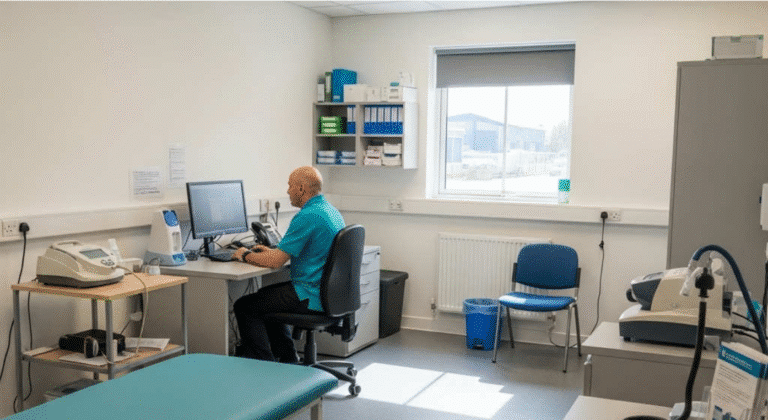
Onsite clinics provide immediate access to health services, reducing downtime and improving convenience. They offer flexible services that fit around your shift patterns, ensuring minimal disruption to your operations.
Advantages of onsite clinics:
-
Convenience: Immediate access to health checks and advice.
-
Time-saving: No need for employees to travel offsite for medical appointments.
-
Enhanced support: Quick response to health issues ensures minimal impact on work.
By adopting flexible and convenient health services, you foster a culture of wellbeing and productivity.
In conclusion, understanding and implementing these core occupational health obligations can significantly improve safety and compliance in your workplace. Prioritising health not only protects your employees but also enhances productivity and morale. For further guidance on occupational health regulations, visit OSHA’s website or explore OSHA’s guidelines for comprehensive insights.